HIDIM Workshop, Manchester
2026-09-07
Lecturer (Education Focused) at the University of St Andrews
first in my family to go to university (MMath and PhD at UEA)
Kurt Gödel fan
enjoys cricket, coffee, and crosswords
contact me at tdhc@st-andrews.ac.uk
need for both accessible and inclusive maths/stats resources
traditional textbooks and learning resources: can be difficult to parse for non-specialists, inaccessible, expensive, intimidating, Western-centric, ‘easy/trivial/obvious’…
diverse backgrounds: every country/region has their own curriculum, language, culture, mathematical stories; every human has their own experience with mathematics and statistics.
increased need for competency in maths/stats
everyone’s journey in studying mathematics/statistics is different
everyone’s perspective of what is hard and what is easy is different
everyone’s engagement with learning resources is different
want everyone to be able to access and understand the resources, and want everyone to feel included in their study of mathematics and statistics.
communication is audience dependent, and an educator’s audience could be anybody.
everyone is a product of their perspectives and experiences and these influence the creation of their learning resources
these perspectives naturally limit the scope, content, format, and dissemination of any created resources
ask the audience
On your buzzers please
not only this, but
students gain agency in their resource creation (what would have helped them in a similar situation?)
development of transferable skills not often found in maths and stats degrees (long form writing, project management, teamwork)
develop empathy for learners / social responsibility / appreciation of other lived experiences, particularly if the focus is on creating accessible and inclusive learning resources
traditionally, the co-creation of resources for learning is generally not a core concern for students studying for a degree; it’s very much an extra-curricular activity
in any case, the time, energy, patience, and effort that a student gives to this endeavour should be properly compensated - not only in ‘experience’.
incentivisation can take many different forms!
students and staff as equal partners in resource creation
where students are incentivised and properly compensated
to produce high quality work which is ready for dissemination
and in doing so, learn from each other about best practice and new perspectives
I’m involved in student-staff co-creation of accessible and inclusive learning resources on two projects that use three different methods:
to provide teaching resources for subhonours mathematics and statistics module with embedded historical perspectives, promoting a diverse, inclusive, and decolonised curriculum
funded by £1500 from the University of St Andrews internal EDI Project Fund, plus matched funding from an INI Network Grant
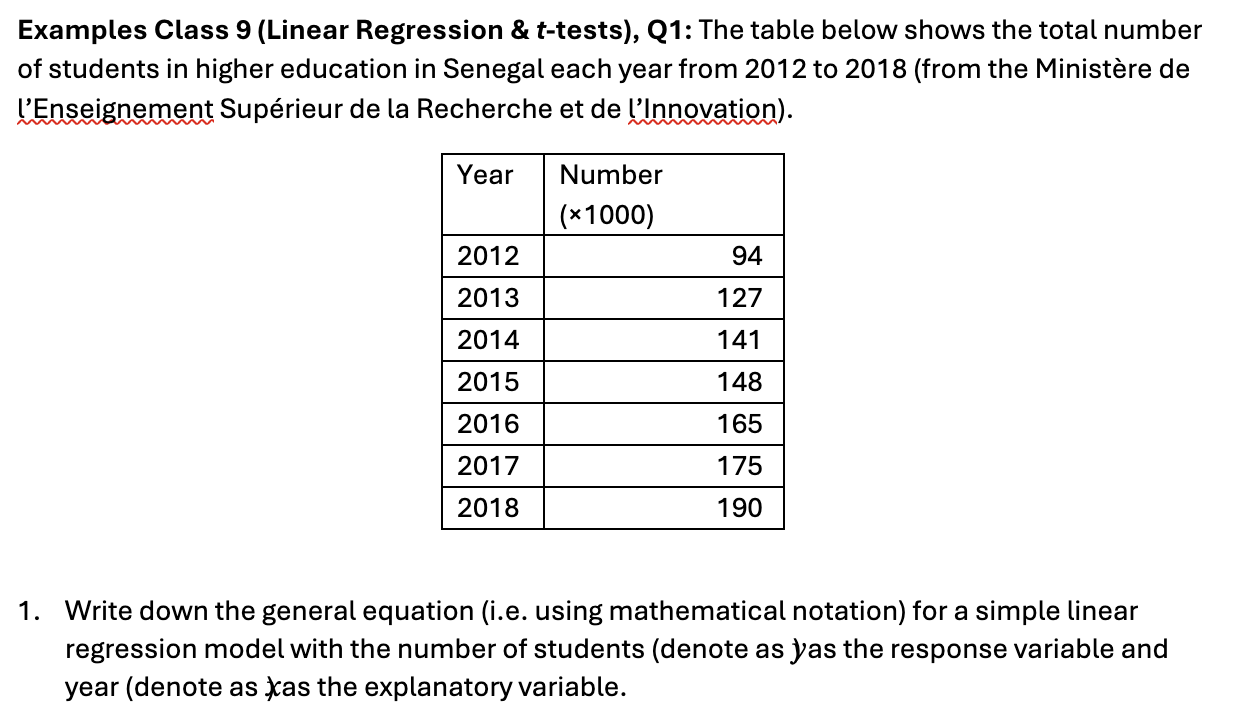
extra examples class questions for first-year modules MT1003 (Pure and Applied Mathematics) and MT1007 (Statistics in Practice)
evaluation included: module evaluation, reflective question, bespoke survey
money for three students working for 70 hours apiece
selection process run by supervisors
each student then:
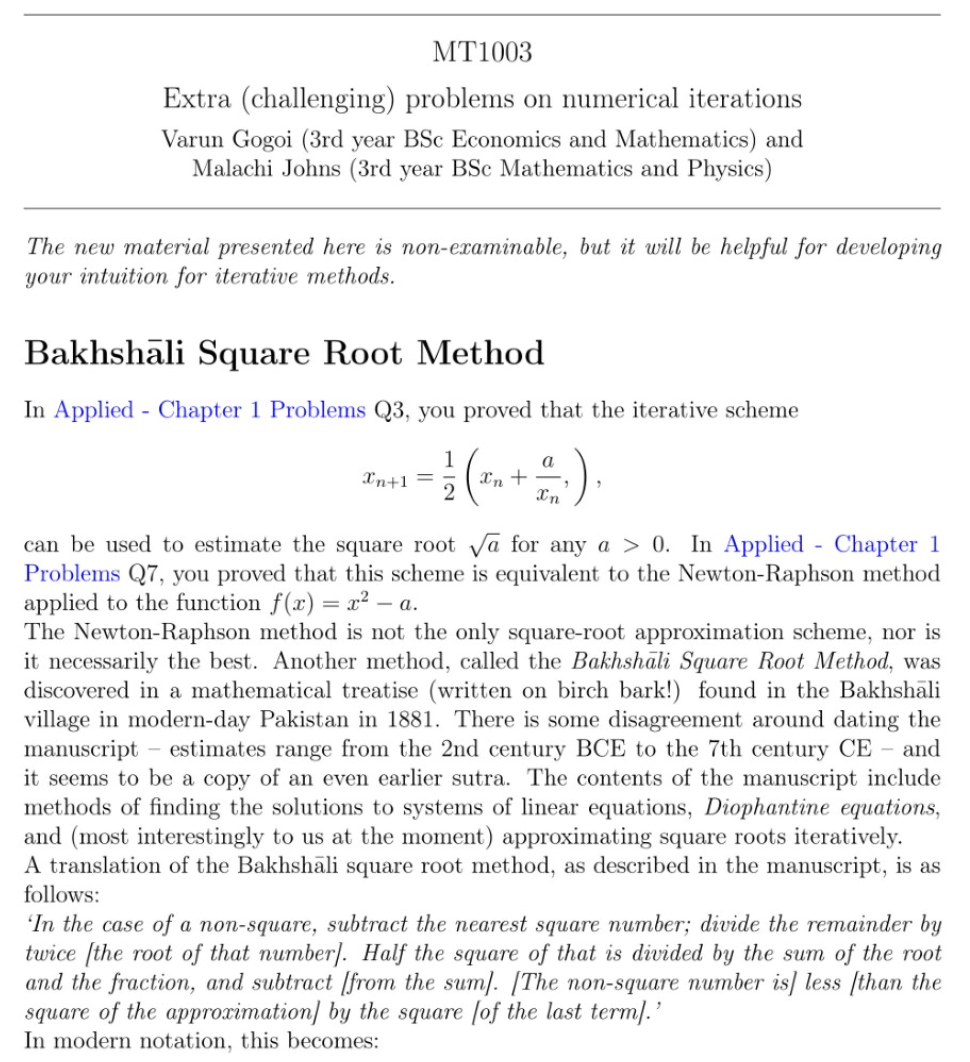
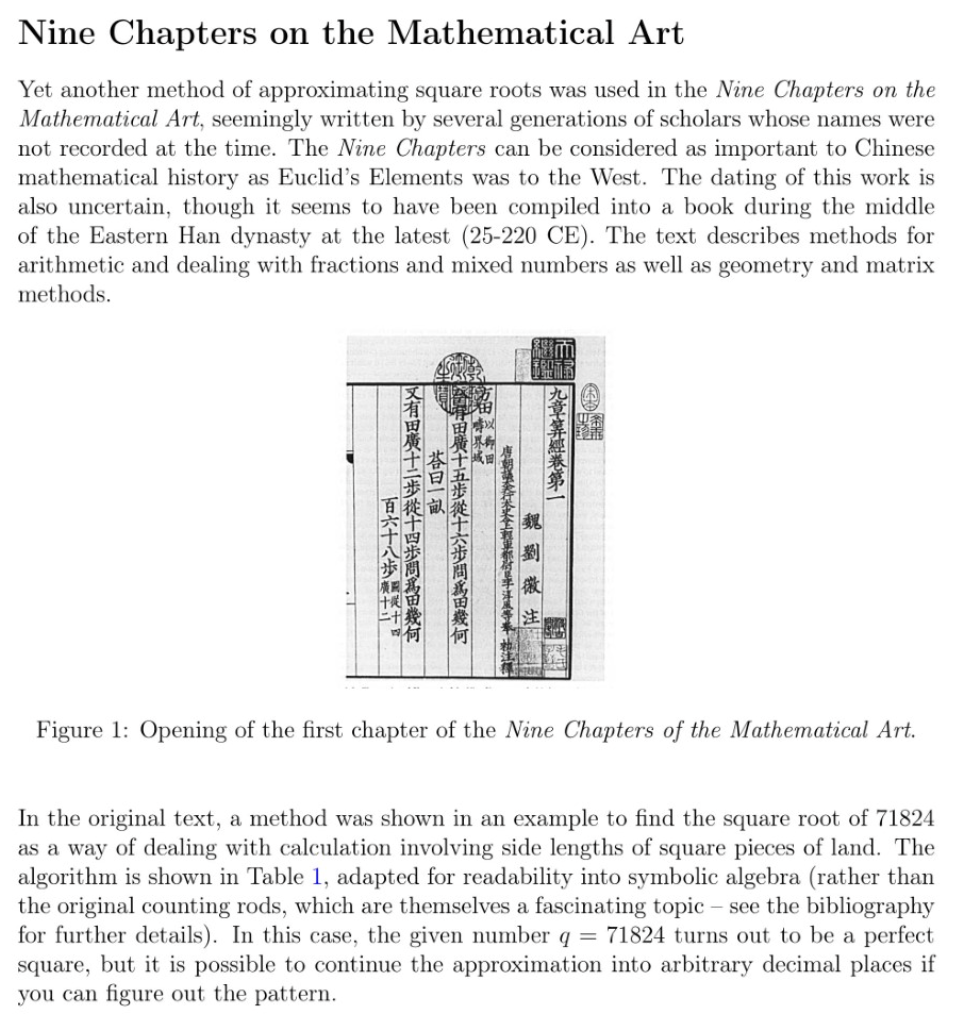
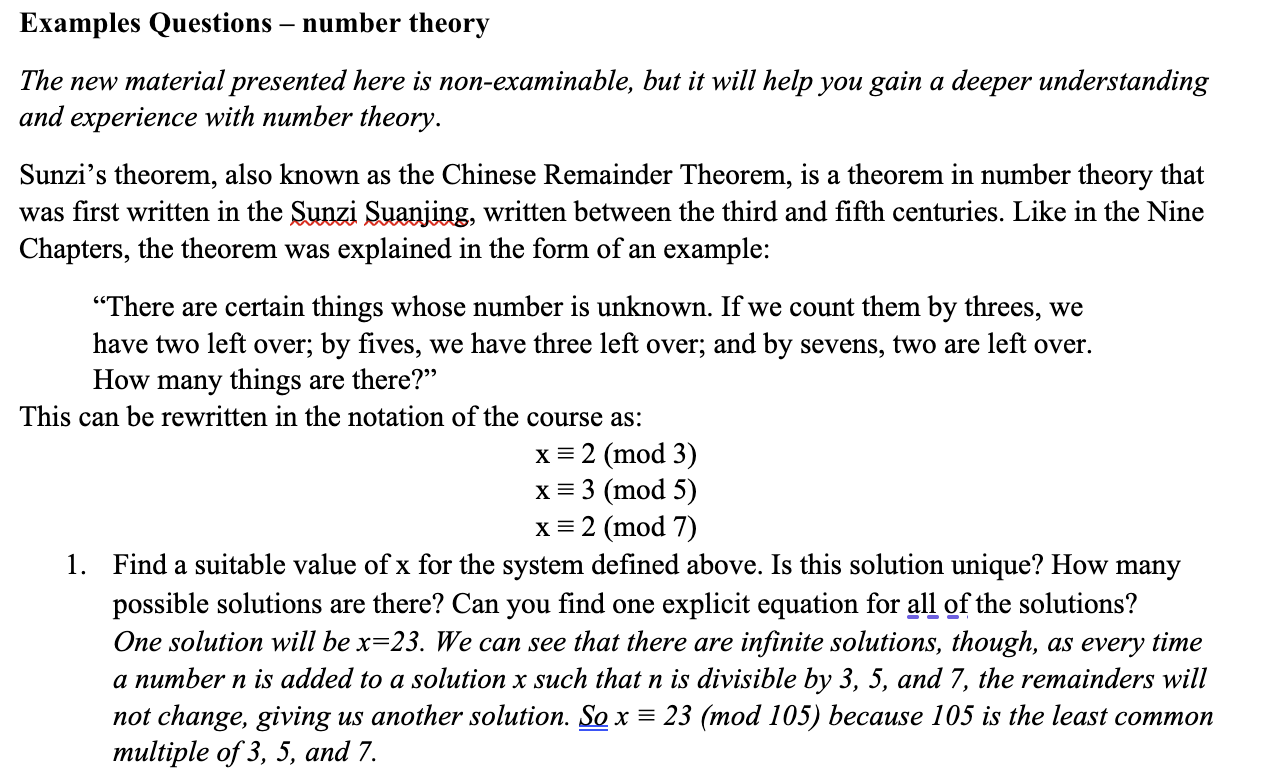
(MT1003) questions on square root finding (Bakhshāli method, Nine Chapters method) and Sunzi’s theorem.
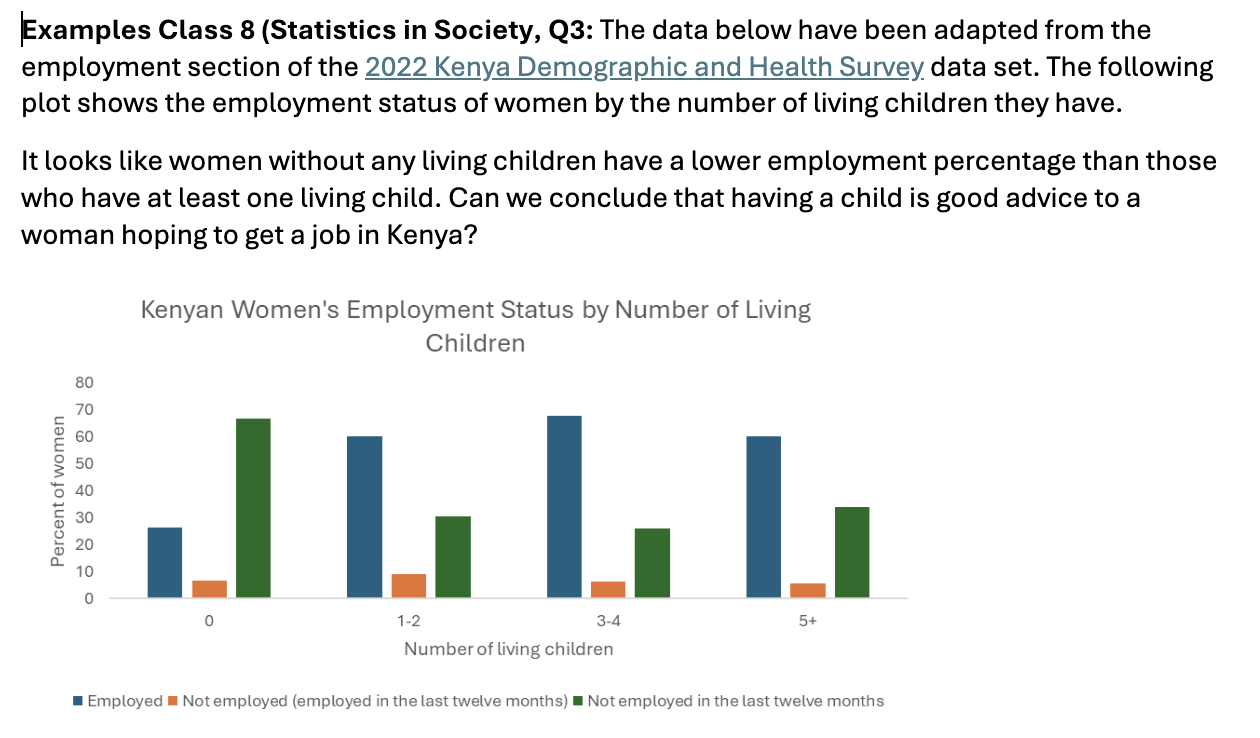
(MT1007) statistics questions involving data sets collected internally from traditionally underrepresented countries


+ “It definitely raised my awareness about underrepresented groups, but I will be able to appreciate it more once I have completed these problems”
+ “I think learning about the history of maths made it more exciting, and made me engage more in the course as maths will be evolving whilst we are completing the course”
+ “Ancient Chinese root finding method very interesting, broadened my understanding”
- “Personally no change [in inclusion], but I welcome the effort”
+ “Before the [reflective question], I wasn’t aware of this issue and how this module is trying to raise awareness around it. I didn’t know that statistics was used to “prove” racist ideologies in the past and that these scientists’ names are still used.”
+ “My awareness was raised by coming into contact with these”
+ “Statistics that tell us information about groups we’re not as familiar with are interesting because it helps us learn things about them”
- “Personally no change [in inclusion], but I welcome the effort”
activities will continue to run in future years
activities are part of the HIDIM repository
obtained further funding from the EDI Project Fund to continue the project in Maths and Stats, and one of the student contributors has obtained funding for a similar project in Physics and Astronomy
but
Summer Teams Enterprise Programme
partial success
yes!
but
for me
for students
for me
for students
but
Vertically Integrated Project:
multi-year, multi-semester ongoing research project (with some leeway)
students in any year can apply to single projects, and supervisors have full control over selection
awards module credits, and students get a grade for their work
allows students to participate in the same project across multiple years
small group, weekly meetings, hands-on supervisor involvement
attracting wide range of students
assessment: 20% fortnightly reflective logs, 30% posters and group presentation, 50% final portfolio and reflective report
for me
for students
quality of written outputs can be inconsistent (but generally better than STEP project)
potential duplication of assessment modes for returning students
some student group friction at times
time for project to breathe and for a team to form
nature of VIP allows for development of big ideas across semesters and years
excellent student buy-in to an impactful and meaningful project
high student satisfaction, both with those who create the resources and those who use the resources
good integration of interdisciplinary skills
outstanding range of outputs


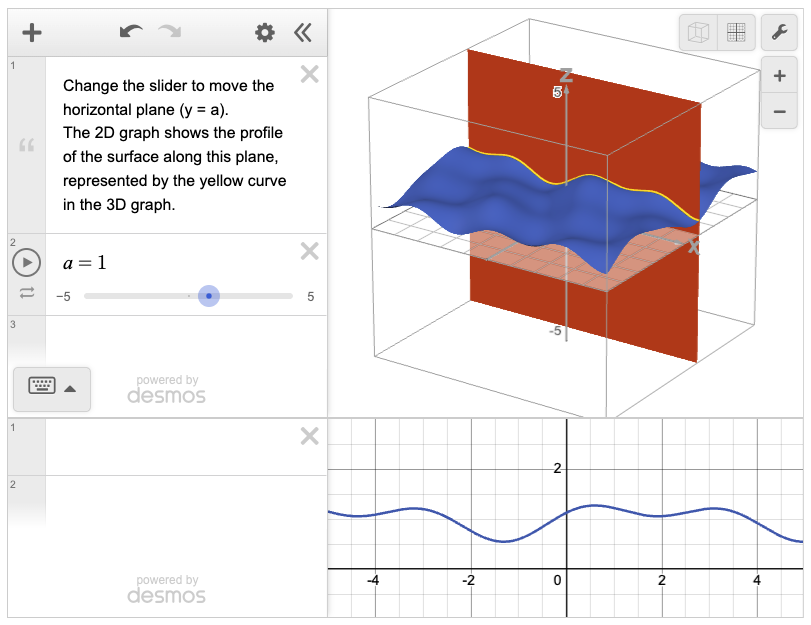
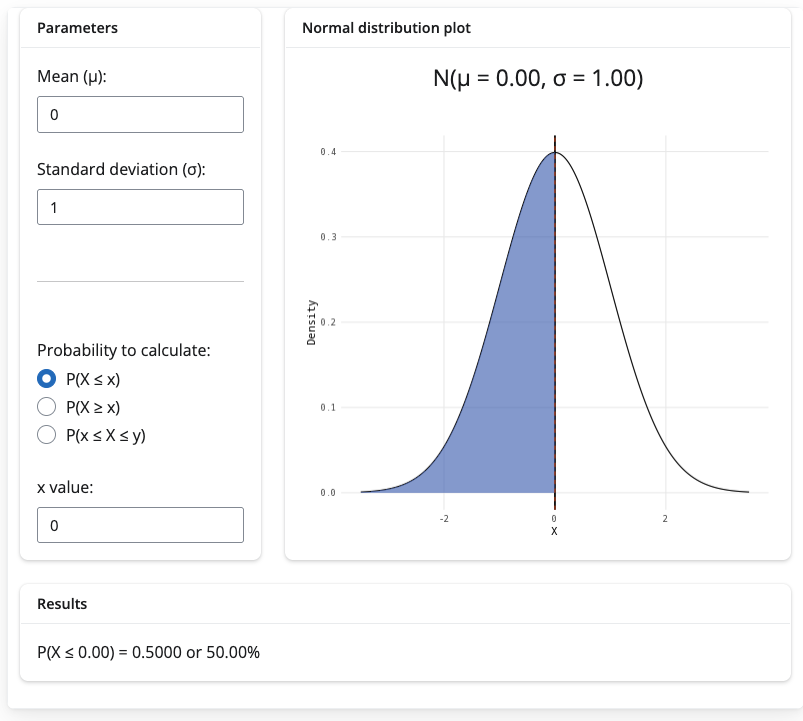
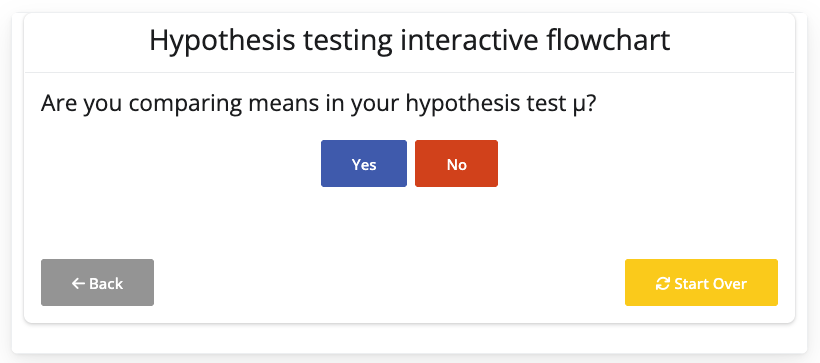
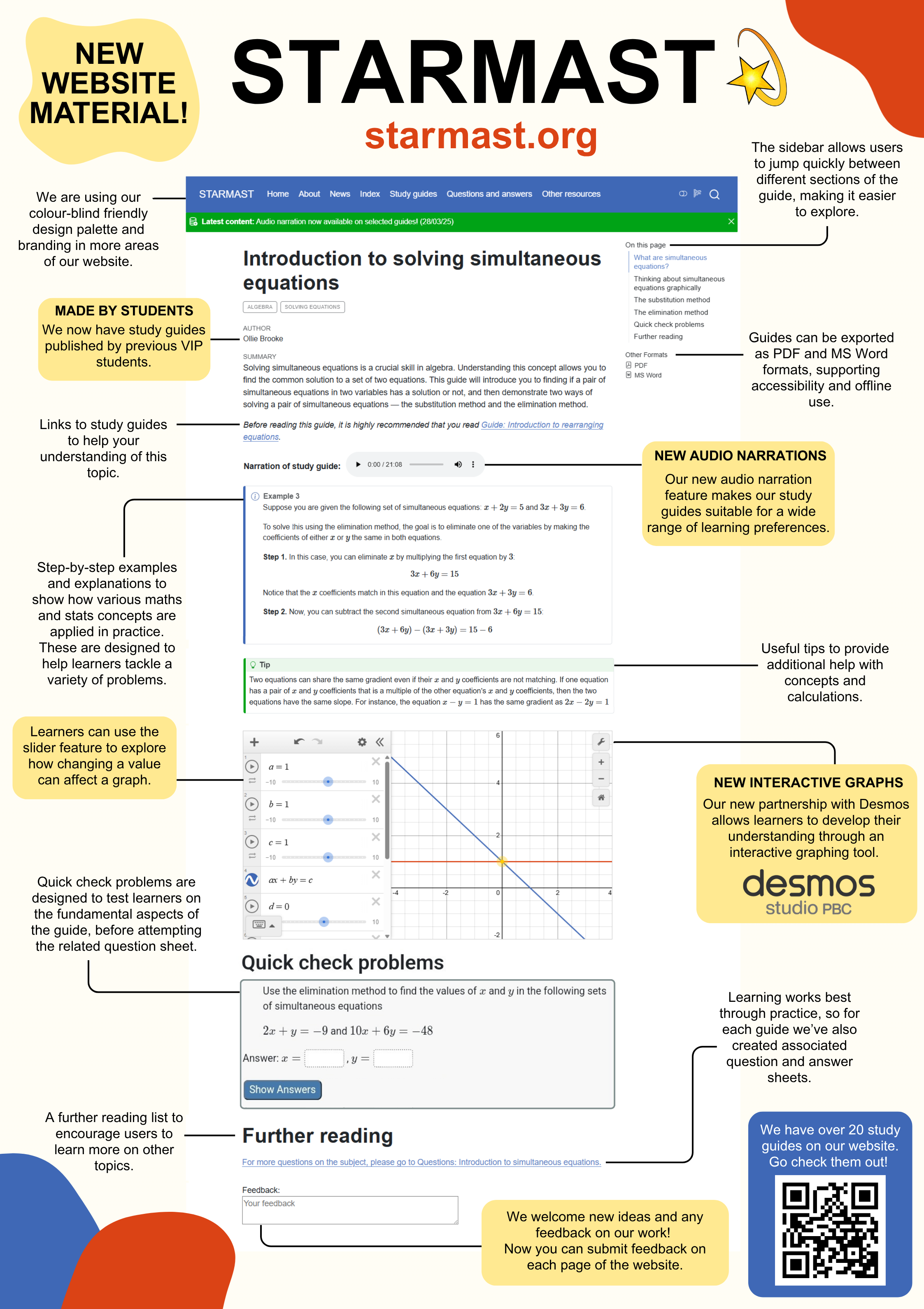
content: guides on algebra, geometry, calculus, stats…
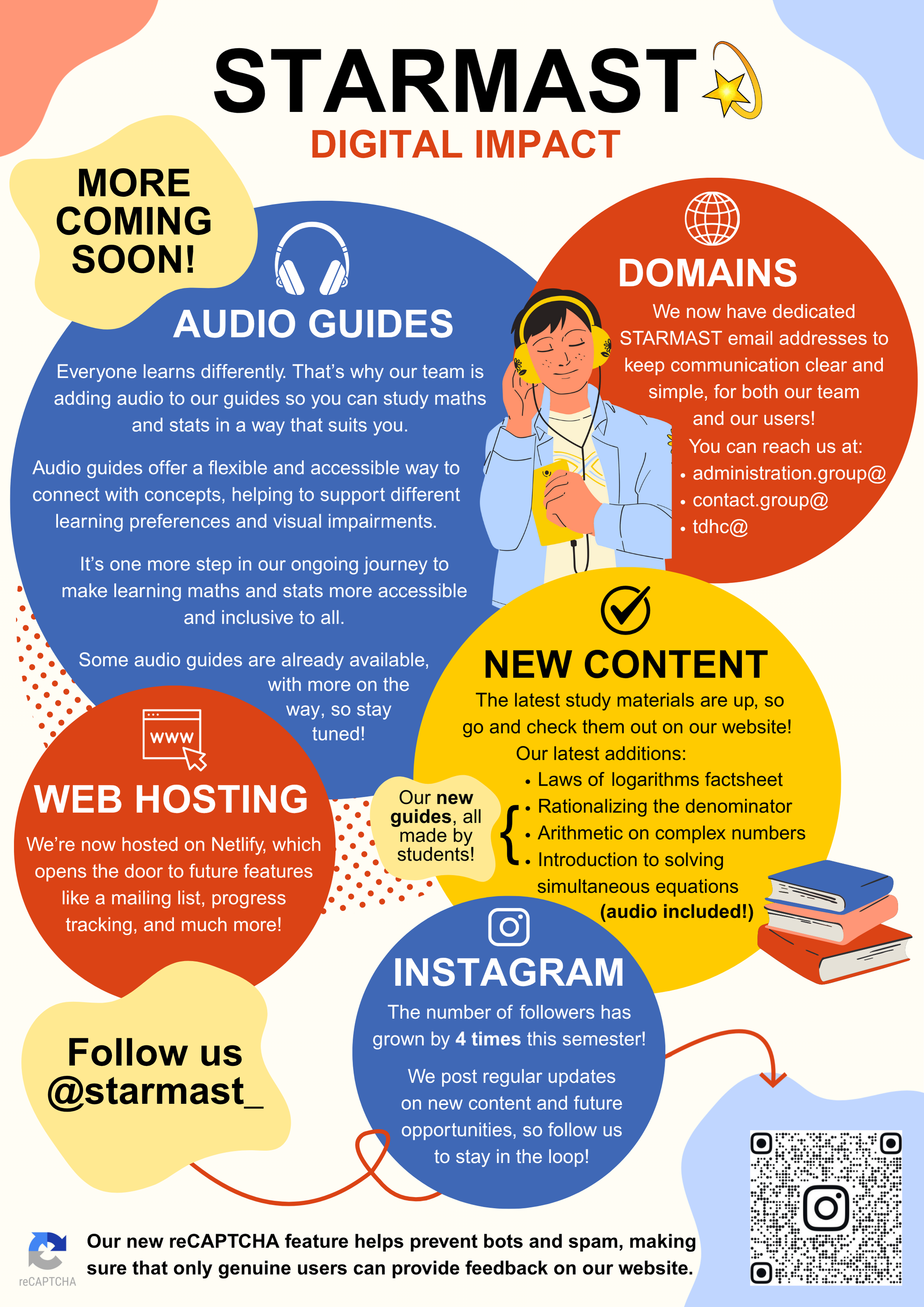
accessibility work: discussions with disability charities, investigating multiple Quarto themes, mp3 narration of guides
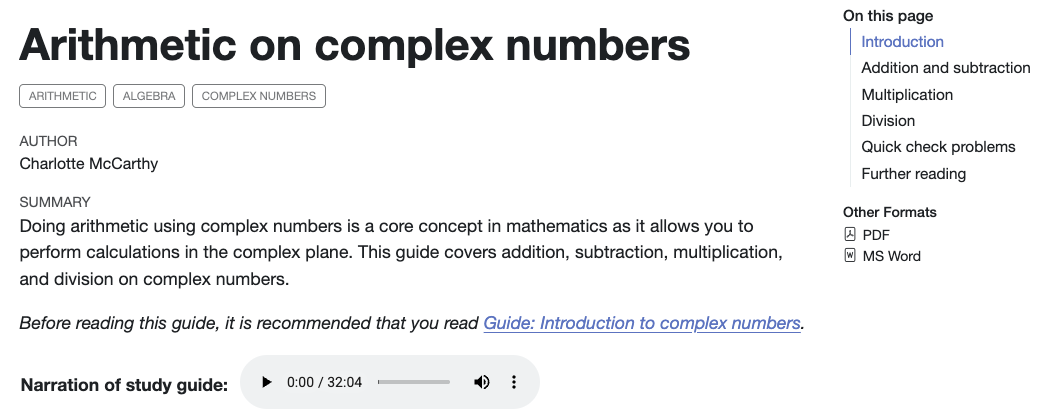
Top of Guide: Arithmetic on complex numbers
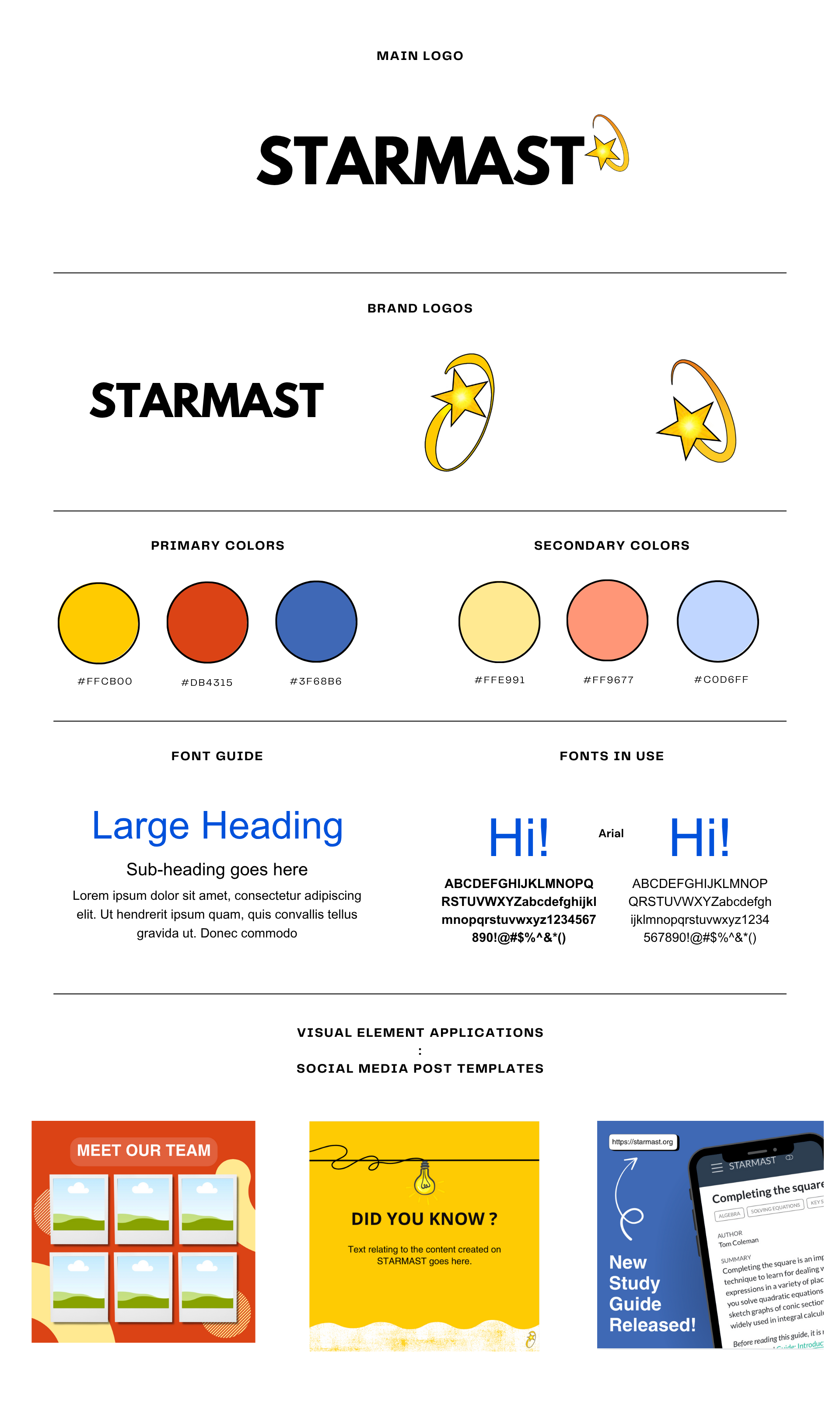
branding and marketing: colour scheme, logo, outreach plans, social media (Instagram and LinkedIn), ads and posters…
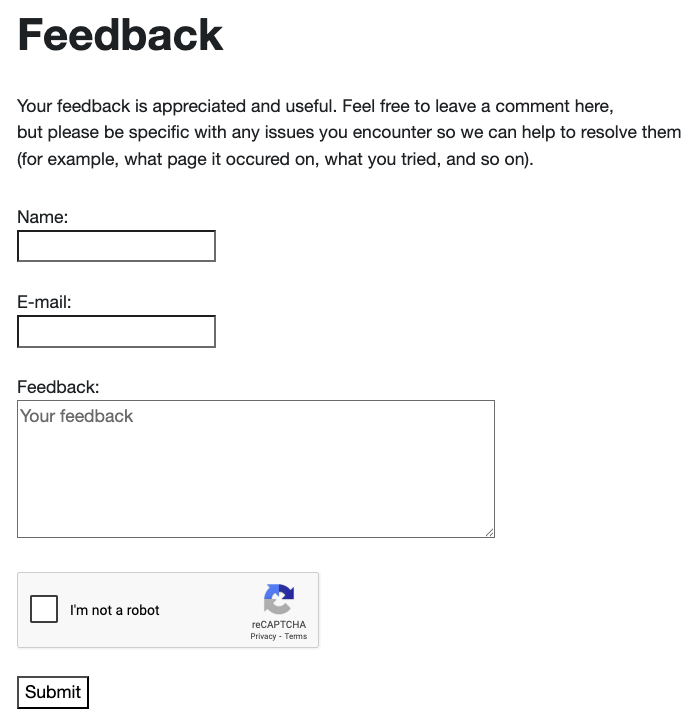
Feedback box written by a second-year and final year student
now the University’s central hub for maths and stats support
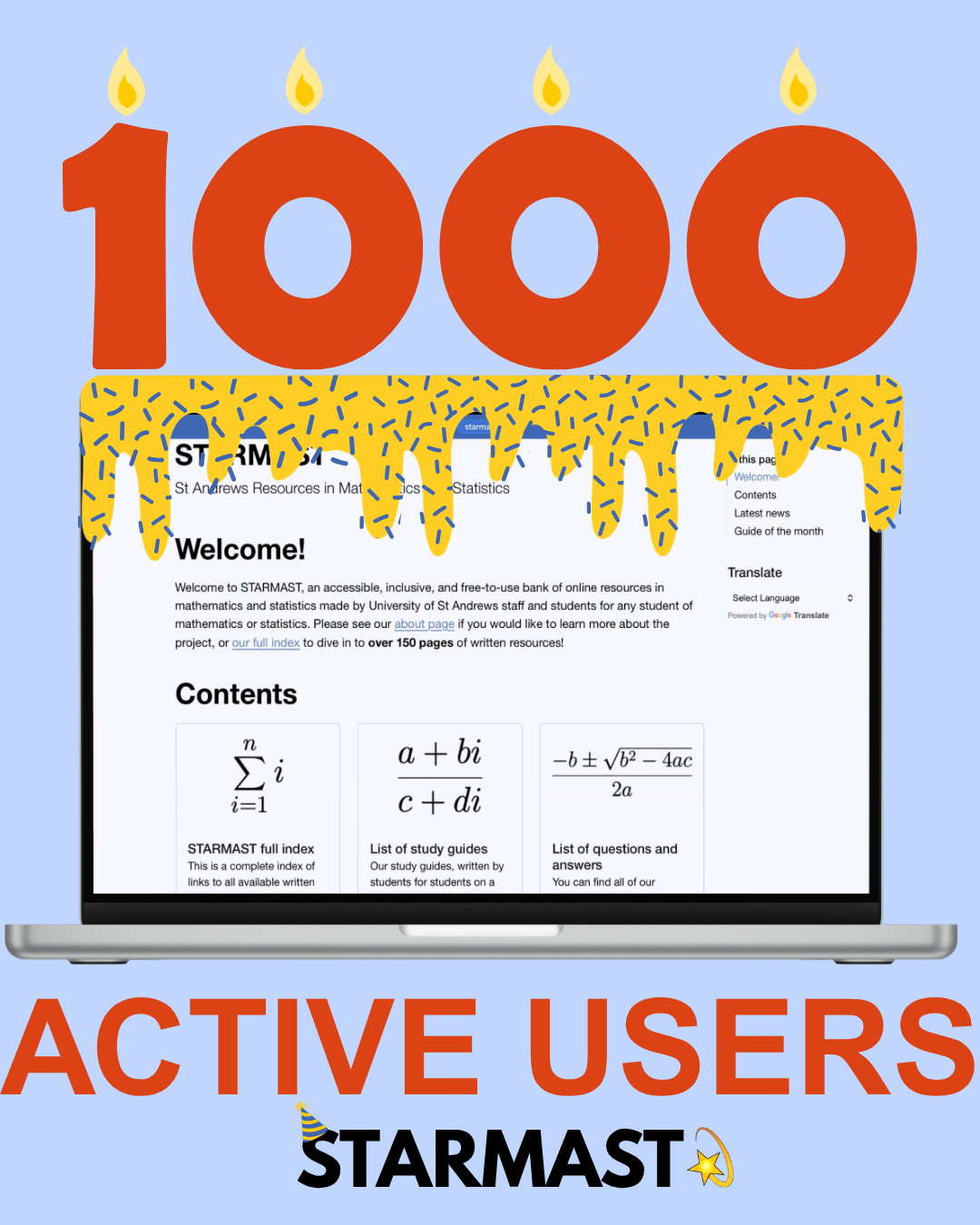
1200 users in the past calendar year, with over 8000 website hits
resources used in three Schools in the University, with more to follow
expertise obtained in developing accessible materials used in several University Schools
explore all possible mechanisms for student-staff co-creation; honestly one of the most rewarding experiences in my job
think about student selection carefully: grades may not be the best indicator - look for passion and excitement about the project
explore options for a mutually beneficial experience: you will learn from each other and maximising these unique opportunities is key to success
think about dissemination and impact of your resources: students are likely to be more invested if the material is going to be made public
put accessibility and inclusion at the heart of your project design!
thank you for listening!
get in touch with me at tdhc@st-andrews.ac.uk if you’d like